








Meadowfoam honey vs manuka honey is a question many of us ask when we want a sweetener that actually tastes good every day. If you have ever bought a jar of manuka only to find its strong, earthy flavor hard to enjoy in tea or on toast, you are not alone. At Natural Plant Products we grow and work with meadowfoam right here in Oregon’s Willamette Valley. We know the plant from seed to flower, and the honey it produces is something special. In this post we will compare the two honeys side by side so you can choose the one that fits your taste and your values.
Most people reach for honey because they want something pure and natural. Yet the price of high-grade manuka can feel steep when the flavor is more medicinal than pleasant. Meadowfoam honey offers a different path. It is milder, dessert-like, and grown by farmer-owned operations that share our commitment to the land. Let’s walk through the real differences so you can decide for yourself.

Meadowfoam Honey vs Manuka Honey Taste: A Quick Flavor Snapshot
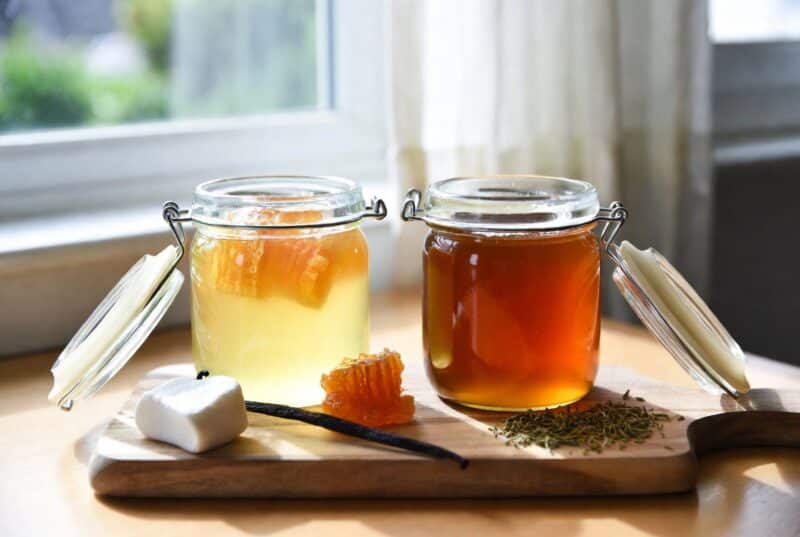
When you put the two honeys next to each other, the contrast is clear right away. Meadowfoam honey starts soft and sweet. It carries gentle notes that remind many people of toasted marshmallow and vanilla. The finish is clean and light. Manuka honey, on the other hand, is thicker and more assertive. Its flavor is often described as earthy, herbal, and a little bitter, especially in higher UMF grades.
Think of meadowfoam as the honey you look forward to spooning straight from the jar. Manuka is the one you might tolerate for its reputation more than its taste. Both are natural, but they serve different moments in the kitchen. If your main goal is pure enjoyment at breakfast or in baking, the milder option usually wins. We have tasted both for years while working with Oregon growers, and the difference shows up in every cup of tea.
Meadowfoam Honey Flavor Profile vs Manuka – What You’ll Actually Taste
Raw Meadowfoam Honey Tasting Notes (Marshmallow, Vanilla & Caramel)
Raw meadowfoam honey comes from the small white flowers that blanket fields in the Willamette Valley each spring. The nectar creates a flavor that surprises almost everyone who tries it. The first taste is smooth and lightly sweet. Then soft vanilla and toasted marshmallow notes appear. Some people also catch a hint of caramel or warm brown sugar. The texture stays creamy and pourable longer than many other honeys.
This gentle profile makes it easy to use every day. Stir it into oatmeal and the sweetness blends without fighting the oats. Drizzle it over yogurt or fresh fruit and it lifts the dish instead of covering it. We source our meadowfoam from the same farmer-owned fields that supply our seed oil. That short supply chain keeps the flavor pure and consistent. Because the bloom lasts only a few weeks, each harvest is limited. That rarity adds to the special feeling of every jar.
Manuka Honey Earthy Taste vs Meadowfoam – The Bold, Herbal Side
Manuka honey comes from the manuka bush in New Zealand. Its flavor is stronger and more complex. Many describe it as earthy or mineral, with a slight bitterness that grows as the MGO or UMF number rises. Lower grades can taste milder and a bit caramel-like. Higher grades often lean herbal or even medicinal. The texture is thick and almost paste-like.
Some people enjoy that bold character, especially when they want a honey that stands out. Others find it hard to use in everyday recipes because the aftertaste lingers. In our experience working with clean, botanical ingredients, we notice that strong flavors can limit how often a product is used. Meadowfoam avoids that problem. Its dessert-like taste invites daily use without fatigue.


Is Meadowfoam Honey Sweeter Than Manuka Honey?
Yes, most people find meadowfoam honey sweeter and more approachable than manuka. The sweetness in meadowfoam feels clean and rounded. It does not hide behind earthy or bitter notes. Manuka’s sweetness is more subtle and often balanced by its herbal edge. That difference becomes clear when you taste them side by side on a spoon or stirred into the same cup of tea.
The perception of sweetness also changes with temperature and food. In hot tea, meadowfoam melts smoothly and keeps its soft vanilla character. Manuka can taste more intense and slightly sharp. On toast or in baking, meadowfoam’s mildness lets other ingredients shine. We have heard from home cooks who switched because they simply wanted a honey they would finish the jar of. That practical sweetness is one reason meadowfoam works so well for everyday eating.
Best Tasting Alternative to Manuka Honey for Everyday Eating
If you reach for honey most mornings, flavor matters more than any single health claim. Meadowfoam honey steps in as a best tasting alternative to manuka honey for daily life. It pairs beautifully with oatmeal, yogurt, soft cheeses, and warm drinks. It also works in light baking where a strong herbal note would feel out of place. The creamy texture spreads easily and stays smooth longer on the shelf.
We recommend starting with a small jar and using it the way you already use regular honey. Notice how the marshmallow-vanilla notes lift a simple slice of toast. Compare that experience with the last time you tried manuka. Many of our customers who care about clean ingredients tell us they finally found a premium honey they look forward to using. Because we work directly with Oregon farmers, we can share the story behind every harvest. That transparency builds trust that goes beyond marketing claims.
Of course, manuka still has a place. If you specifically want its unique compounds for occasional use, it can stay in the pantry. For the jar you open most often, the milder, more enjoyable option tends to win. That is the real test of any food: will you keep reaching for it?
Sustainable Oregon Honey vs Manuka Flavor – How Sourcing Shapes Taste
Taste does not appear by accident. It is shaped by soil, climate, and careful farming. Meadowfoam grows in the rich soils of Oregon’s Willamette Valley. The plant is native to the Pacific Northwest and thrives under the region’s mild, wet springs. Local beekeepers place hives near the blooming fields for a short, intense harvest window. The result is a honey that carries the clean, sweet character of that landscape.
At Natural Plant Products we have partnered with farmer-owned operations in the same valley for years. Our meadowfoam seed oil comes from those same plants. We see how sustainable practices protect both the crop and the flavor. The fields are managed with care for pollinators and soil health. That attention shows up in the jar. Manuka’s story is different. It is grown far away, and its price often reflects grading systems and export costs more than everyday eating pleasure.
When you choose a sustainably grown Oregon honey, you support the people who live and work on the land. You also get a flavor that stays true from season to season. We believe that connection between place and taste is one of the most honest ways to judge a food. The mild, dessert-like profile of meadowfoam is not an accident. It is the direct result of careful, local stewardship.

Meadowfoam vs Manuka Honey for Everyday Eating – Which Should You Choose?
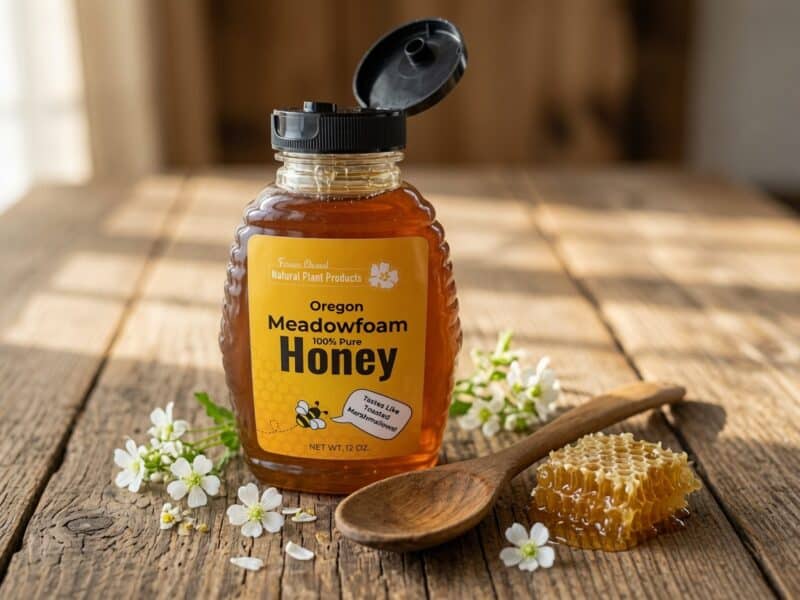
The choice comes down to how you plan to use the honey and what flavor you enjoy most. If you want a mild, sweet honey that tastes good in tea, on toast, or stirred into breakfast, meadowfoam is the clear favorite. Its marshmallow-vanilla notes and clean finish make it easy to love. The price is usually more approachable for regular use, and the Oregon origin adds a story of local care.
Choose manuka if you specifically seek its earthy intensity or if you value the grading systems that come with it. Some people prefer that bold character for certain recipes or an occasional spoonful. For the majority of daily moments, though, the gentler option wins. We have seen this pattern again and again while talking with people who care about both taste and where their food comes from.
Here is a simple way to decide. Ask yourself: Will I finish this jar because I enjoy every spoonful? If the answer leans toward yes, meadowfoam honey is the better fit. Its flavor invites repeated use. That is the real measure of a kitchen staple.
Conclusion
Meadowfoam honey vs manuka honey ends with a clear favorite for most everyday eaters. The soft, toasted-marshmallow sweetness of Oregon meadowfoam simply tastes better for daily life. It is milder, more versatile, and rooted in the same farmer-owned fields that have shaped our work at Natural Plant Products for years. When you choose it, you get a pure, enjoyable honey and support sustainable practices right here in the Willamette Valley.
We invite you to try a jar and taste the difference for yourself. Once you experience that clean vanilla finish, you may find it hard to go back to stronger, more medicinal options. Real flavor and honest sourcing go hand in hand. That is the standard we hold ourselves to with every botanical product we offer.